 المساعد الذكي
جارٍ تحميل القصة…

ز
مرحبًا زائرThe Prophet’s ﷺ participation in the Fijar War between Quraysh and Qays Aylan when he was fifteen years old
When the Prophet ﷺ reached the age of fifteen, the Fijar War took place, and he attended it. He used to prepare arrows for his uncles to shoot.
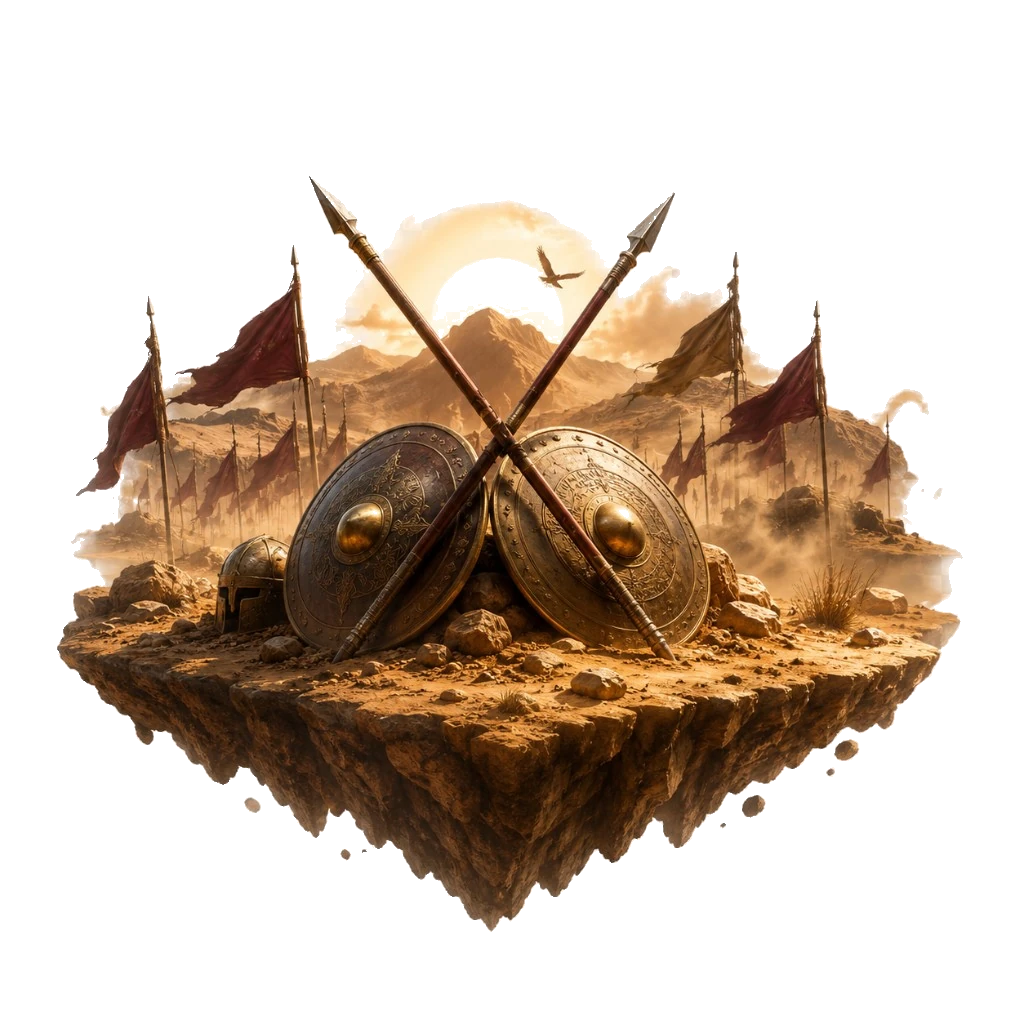
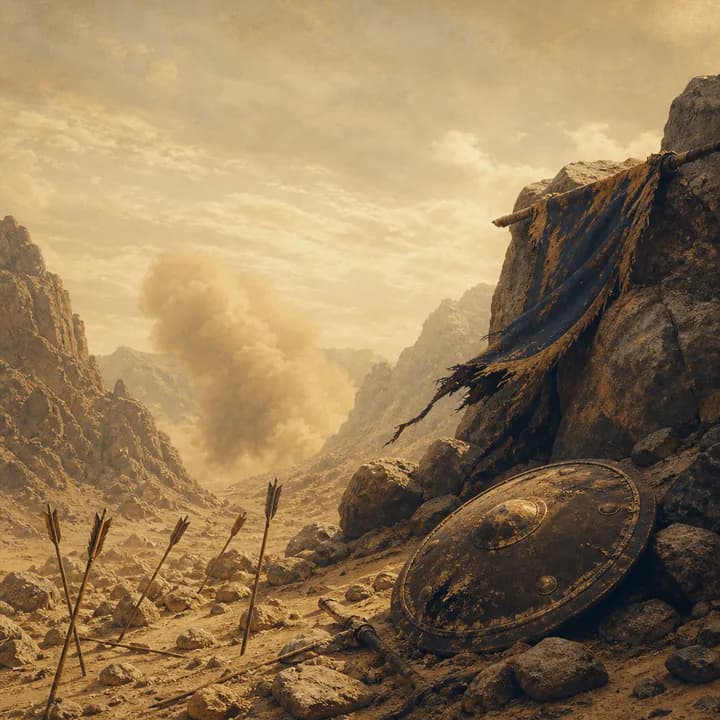
من شرارة تافهة إلى حرب طويلة، وما تعلّمه النبي ﷺ من فوضى الجاهلية.
When the Prophet ﷺ reached the age of fifteen, the Fijar War took place, and he attended it. He used to prepare arrows for his uncles to shoot.
This event shows a part of the Prophet’s ﷺ life before the mission, and it shows his presence in Makkan society and his limited participation in the events of his people.
When he ﷺ reached the age of fifteen, the Fijar War took place between Quraysh and Hawazin.
This means that a war took place between tribes from Quraysh and Qays Aylan at the market of Ukaz. The Prophet ﷺ was fifteen years old at the time. He witnessed it and helped his people by preparing arrows for shooting, and no more detail than that is mentioned.
This happened in the context of an old tribal conflict between Quraysh and their allies on one side and Qays Aylan on the other, and the war took place at the market of Ukaz.
Tribal tensions and pre-Islamic tribal partisanship between the opposing tribes.
It documents a stage in the Prophet’s ﷺ life before the mission and shows his presence at the events of his people.
The report does not mention any direct call, but it comes before the stage of the Message (risalah).
It reveals the nature of the tribal system, conflict, and reconciliation in the Age of Ignorance.
It shows the effect of tribal solidarity on Arab society.
It shows that the Prophet ﷺ lived through the events of his people and witnessed them in his youth.
It reflects a picture of Arab society before Islam in terms of war, peace, and markets.
The report does not mention a direct strategic impact, but it falls within the Prophet’s ﷺ social experience before the mission.
He attended the war and used to prepare arrows for his uncles
He was the leader of Quraysh and Kinanah in the war
He killed three men from Qays Aylan, and that was the direct cause of the war
The event came before the mission, so it does not contain an explicit faith-related meaning.
It highlights the ugliness of revenge and tribal solidarity and how they lead to war.
It shows that pre-Islamic society was ruled by tribe, conflict, then reconciliation.
It shows that leadership was tribal and that solutions were negotiated between competing loyalties.
The fact that the war took place in the market of Ukaz shows the overlap between trade and conflict.
It teaches that a young person may witness the events of his people and take part in them in ways suitable to his age.
It reveals a stage in the history of the Arabs before Islam, when war and peace were part of the social structure.
Conflicts that arise because of tribal solidarity, revenge, or group incitement.
The need to control conflict through reconciliation and justice instead of being drawn into escalation.
Strengthening a culture of reform and preventing divisive loyalties.
The importance of mediation and reconciliation in putting out conflicts.
Beware of getting involved in tribal or group conflicts.
It is not right to apply the details of pre-Islamic war to the modern world in a literal way.
The context then was tribal and pre-Islamic, while today societies are governed by different systems and laws.
Any conflict fueled by tribal solidarity needs early reform before it spreads.

