 المساعد الذكي
جارٍ تحميل القصة…

ز
مرحبًا زائرThe Jews of Banu Qaynuqa broke the treaty, then their siege and expulsion from Madinah in Shawwal of Year 2 after the Hijrah (2 AH)
The Jews of Banu Qaynuqa broke the treaty. The Prophet ﷺ went out to them, besieged them until they accepted his judgment, then expelled them from Madinah to Adhri'at in ash-Sham.

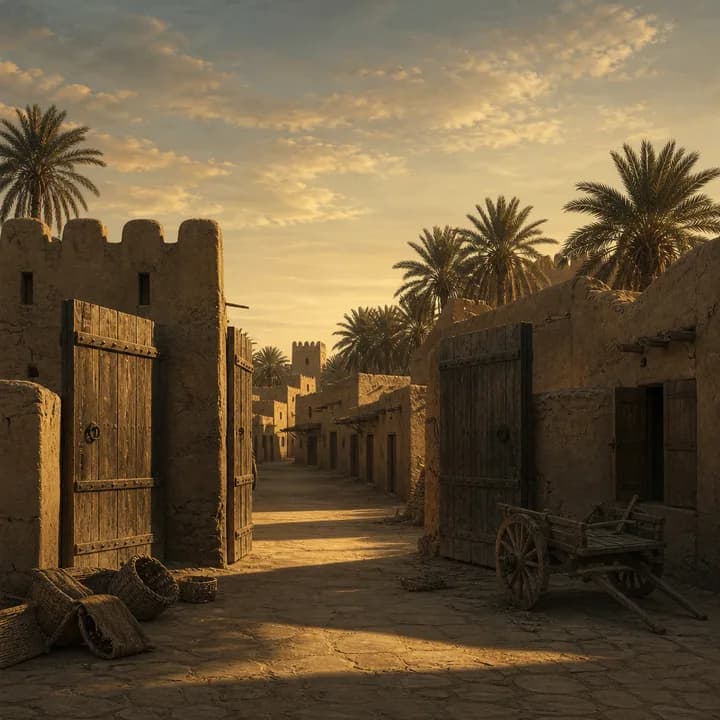
كيف واجهت الدولة الناشئة أول نقض صريح للعهد داخل المدينة.
The Jews of Banu Qaynuqa broke the treaty. The Prophet ﷺ went out to them, besieged them until they accepted his judgment, then expelled them from Madinah to Adhri'at in ash-Sham.
It represents an early step in dealing with internal threats after the Muslims settled in Madinah.
And in Shawwal of this year: the Jews of Banu Qaynuqa broke the treaty, so the Prophet ﷺ besieged them and expelled them from Madinah.
Banu Qaynuqa had broken the treaty, so the Prophet ﷺ besieged them in their forts. The matter ended with their expulsion from Madinah after they accepted his judgment.
Banu Qaynuqa were among the Jews of Madinah. There were treaties between them and the Muslims, then they broke the treaty.
Their failure to honor the treaty and their threat to the safety of the Muslim community in Madinah
Banu Qaynuqa left Madinah, and the community was assured that breaking a covenant leads to siege and expulsion.
One of the first events that addressed the status of the Jews inside Madinah after the establishment of the Islamic state.
It showed that the call to Islam does not prevent maintaining order and honoring the covenant.
It strengthened the authority of the Muslim state in Madinah over those who break the covenant.
It protected the safety of civil society from within.
It teaches loyalty to the covenant and the danger of breaking it.
It shows that the Islamic community is built on order and commitment, not chaos.
It removed an internal threat that could have unsettled Madinah.
Leader of the siege and source of the ruling of expulsion
The party that broke the covenant and was besieged then expelled
Intervened asking for pardon for them
He was left in charge of Madinah during the siege
Was given the banner of the Muslims
Allah supports the believers when they keep their covenant and face treachery.
Breaking a covenant leads to punishment and expulsion.
The security of the whole community comes before the interests of groups that break covenants.
The state does not tolerate an internal threat when a covenant breach is proven.
Their wealth was taken as mentioned in the report, which shows the event’s effect on resources.
Teaching the Ummah firmness while preserving justice.
The presence of leadership, a banner, and delegation shows state organization.
The rise of a community disciplined by covenant and decision.
Breaking agreements and covenants within a community or institution.
Fulfilling covenants is the basis of stability, and breaking them calls for firm, organized action.
The need for clear regulations and enforcement mechanisms when an agreement is violated.
Protecting public security from internal threats.
A person should beware of breaking covenants and agreements.
The modern world should only be compared to this event in the core principles of fulfilling covenants and preserving security, without going beyond the text.
The event took place in a young prophetic state within a tribal society, while today the legal and institutional contexts are different.
Every documented covenant must be respected, and if it is broken, the response should be according to order and justice.

