 المساعد الذكي
جارٍ تحميل القصة…

ز
مرحبًا زائرThe occurrence of The Battle of Badr (the Great) in the second year after the Hijrah on Friday, the seventeenth of Ramadan
The Battle of Badr (the Great) took place on Friday, the seventeenth of Ramadan in the second year after the Hijrah. It was the first major decisive battle in the Prophet’s biography, and it was linked to the revelation of Surah al-Anfal and the guidance and laws it contained.
قراءة في التخطيط والاستشارة واختيار الأرض في أول معركة فاصلة.
The Battle of Badr (the Great) took place on Friday, the seventeenth of Ramadan in the second year after the Hijrah. It was the first major decisive battle in the Prophet’s biography, and it was linked to the revelation of Surah al-Anfal and the guidance and laws it contained.
Badr is a major turning point in the Seerah, as it was followed by legislation, guidance, and political and military development for the Muslim community.
On Friday, the seventeenth of Ramadan of this year: The Battle of Badr (the Great) took place.
The Muslims went out to meet Quraysh, stopped at the water of Badr, lined up and prepared for battle, and then the battle took place on the stated day. After that, the Quran was revealed to show the Muslims the lessons and rulings in the event.
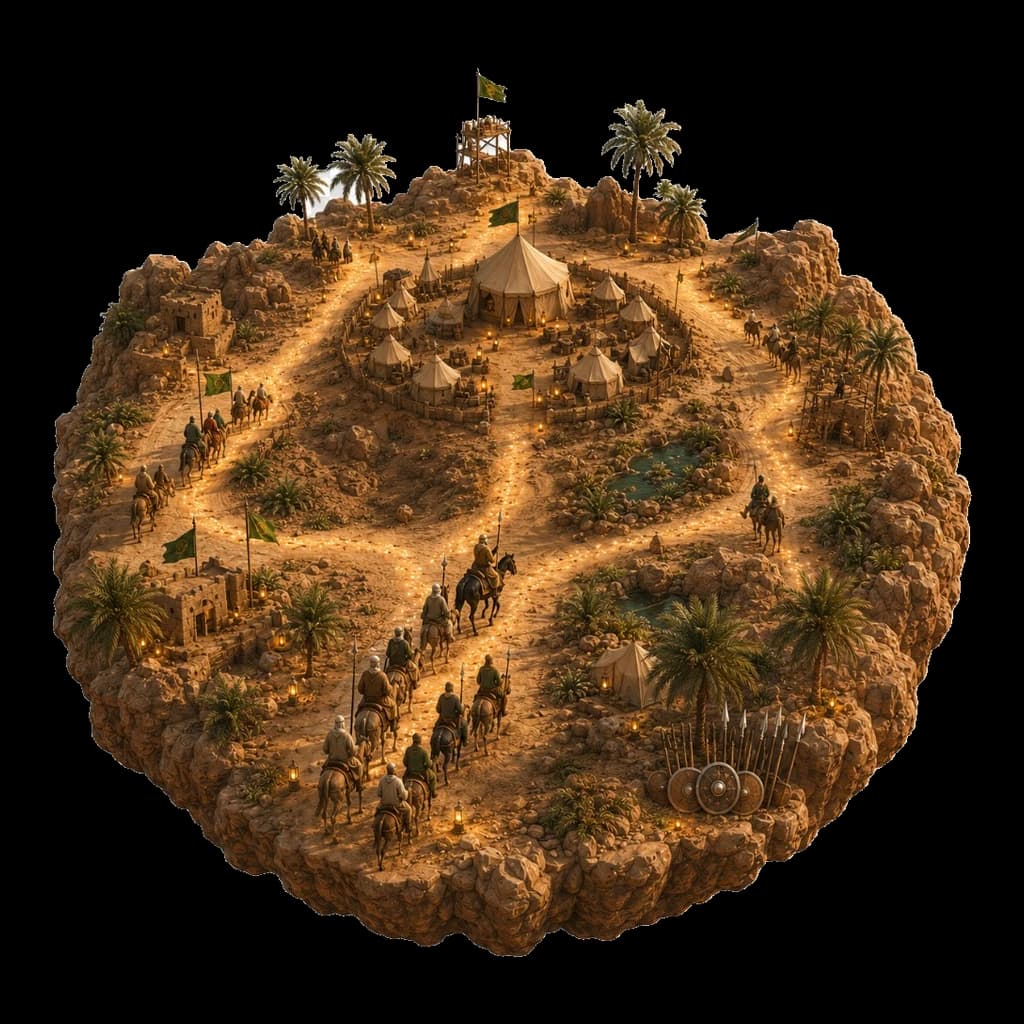
The Muslims had set out to intercept Quraysh, then they reached the water of Badr before the polytheists, camped there, set up their command post, and spent the night before the battle in calm and confidence.
The growth of the conflict between the call to Islam and Quraysh, and the emergence of a new stage that required strengthening the Muslims and showing the laws of victory and empowerment.
The Muslims moved from a state of weakness to the start of a stage in which the effect of victory and empowerment became visible, and Quraysh began to view the confrontation with the Muslims as a larger conflict.
The Battle of Badr (the Great) was one of the most decisive events in early Islamic history.
It showed that the call to Islam is not just words, but needs protection, empowerment, and sacrifice.
It showed the Arab world that Muslims had real strength and a recognized presence.
It lifted the morale of the Muslims and strengthened their trust in one another.
It taught the Muslims trust in Allah, obedience, consultation, and discipline.
It laid the foundation for a legislative and organizational phase in the Muslim community.
It was a clear beginning of the shift in the balance of power between the Muslims and Quraysh.
Commander and guide of the Islamic army
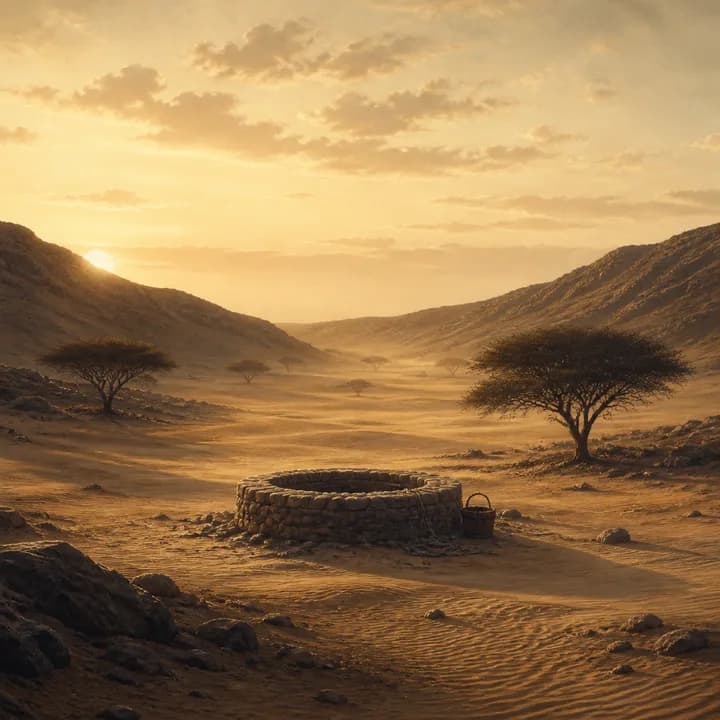
He advised the Prophet to camp at the nearest water to the people and destroy what was behind it
He suggested building a shelter for the Prophet and guarding the command post
Victory comes from Allah, while taking the means.
The importance of consultation, loyalty, and steadfastness.
The solidarity of the believing community around its leadership.
The rise of the Muslims as an organized power.
Badr was also linked to the caravan route, water, and resources.
Training the soul to trust and remain calm before confrontation.
The presence of leadership, a headquarters, guards, and an organized army.
The call to Islam moving into the stage of building the state and society.
The need to manage crises and face a stronger opponent with good planning.
Consultation, choosing the right location, and good organization can make a big difference.
The importance of clear leadership, dividing roles, and benefiting from experience.
Early preparation and good positioning increase the chances of success.
That steadfastness, along with taking the means, is one of the causes of success.
It is not correct to apply the details of the old battle to the present reality in a literal way.
The Prophetic context was revelation and infallible leadership, while the modern one is limited human judgment.
Consult people of expertise, then move with a clear plan, and trust in Allah.

