 المساعد الذكي
جارٍ تحميل القصة…

ز
مرحبًا زائرThe expedition of Ubaydah ibn al-Harith ibn al-Muttalib to Batn Rabigh in Shawwal of the first year after the Hijrah
In Shawwal of the first year after the Hijrah, the Messenger of Allah ﷺ sent Ubaydah ibn al-Harith ibn al-Muttalib with sixty men from the Muhajirun to Batn Rabigh. He met Abu Sufyan with two hundred men, and the two sides exchanged arrows without fighting.
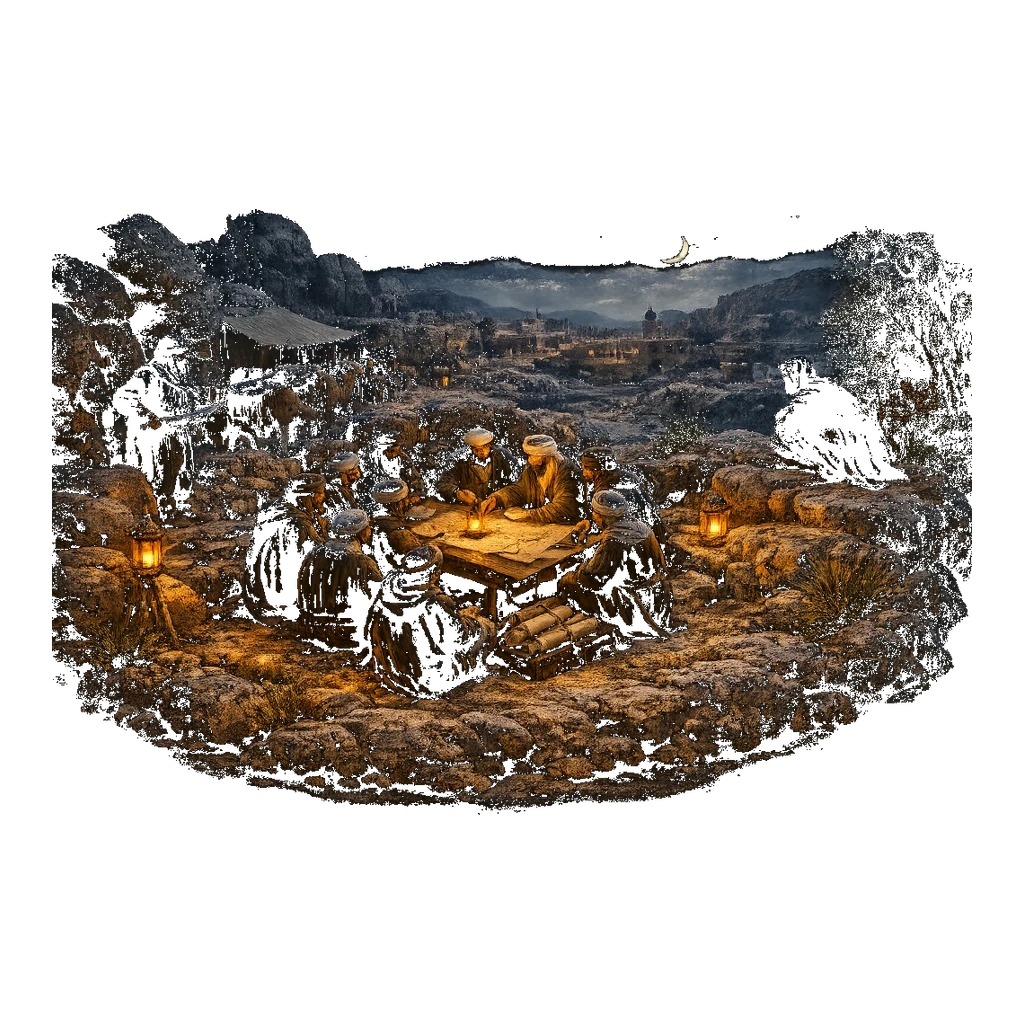
In Shawwal of the first year after the Hijrah, the Messenger of Allah ﷺ sent Ubaydah ibn al-Harith ibn al-Muttalib with sixty men from the Muhajirun to Batn Rabigh. He met Abu Sufyan with two hundred men, and the two sides exchanged arrows without fighting.
It is among the early expeditions after the Hijrah that came before the major battles.
In Shawwal of this year: the expedition of Ubaydah ibn al-Harith ibn Abd al-Muttalib, may Allah be pleased with him, took place to Batn Rabigh.
The Prophet ﷺ sent a group of Muhajirun led by Ubaydah ibn al-Harith to the Rabigh area. They faced a Quraysh force led by Abu Sufyan, and both sides exchanged arrows without the matter turning into direct fighting.
This was among the first expeditions after the Hijrah, and it came as the Muslims moved to protect their presence and monitor Quraysh's caravans.
The early military movement of the Muslims in confronting Quraysh within the ongoing conflict after the Hijrah.
No fighting took place, but the expedition showed the Muslims’ field presence and their ability to reach Quraysh movement routes.
One of the earliest expeditions in the first year after the Hijrah.
It showed the reach of Islam even among those who were with the Makkah army.
It highlighted the Muslims' presence as an organized force moving on the ground.
It showed that some individuals moved from the camp of Quraysh to the camp of the Muslims.
It teaches patience and self-control in confrontation.
It marks the beginning of the Muslim community's political and military presence.
It falls within the expeditions that were watching Quraysh's movements.
Commander of the expedition
Was on the opposing side with two hundred men
Joined the Muslims from the Meccan army
Joined the Muslims from the Meccan army
Steadfastness on the truth despite being few in number.
Discipline and not rushing into battle.
The possibility of individuals moving from one allegiance to a higher one.
The presence of an organized Muslim side facing Quraysh.
Teaching disciplined military conduct.
The presence of leadership, deployment, and organization for the expedition.
The beginning of a community taking shape with movement and presence.
Confrontation between opposing sides with the possibility of escalation.
Managing confrontation with self-control and not rushing to violence.
The importance of organization and clear leadership in difficult situations.
Managing conflict in a way that reduces losses and prevents unnecessary escalation.
Commitment and discipline in hardship.
The event should not be applied to every modern case in terms of detailed rulings.
The event took place in the context of establishing the Prophetic state and the direct conflict with Quraysh.
When facing confrontation, self-control and avoiding escalation may be better than being drawn into fighting.

