 المساعد الذكي
جارٍ تحميل القصة…

ز
مرحبًا زائرThe legislation of the adhan in the early days of the Hijrah in Madinah
In the early days of the Hijrah, the adhan was instituted as a call to prayer that proclaims monotheism and gathers the Muslims for worship.
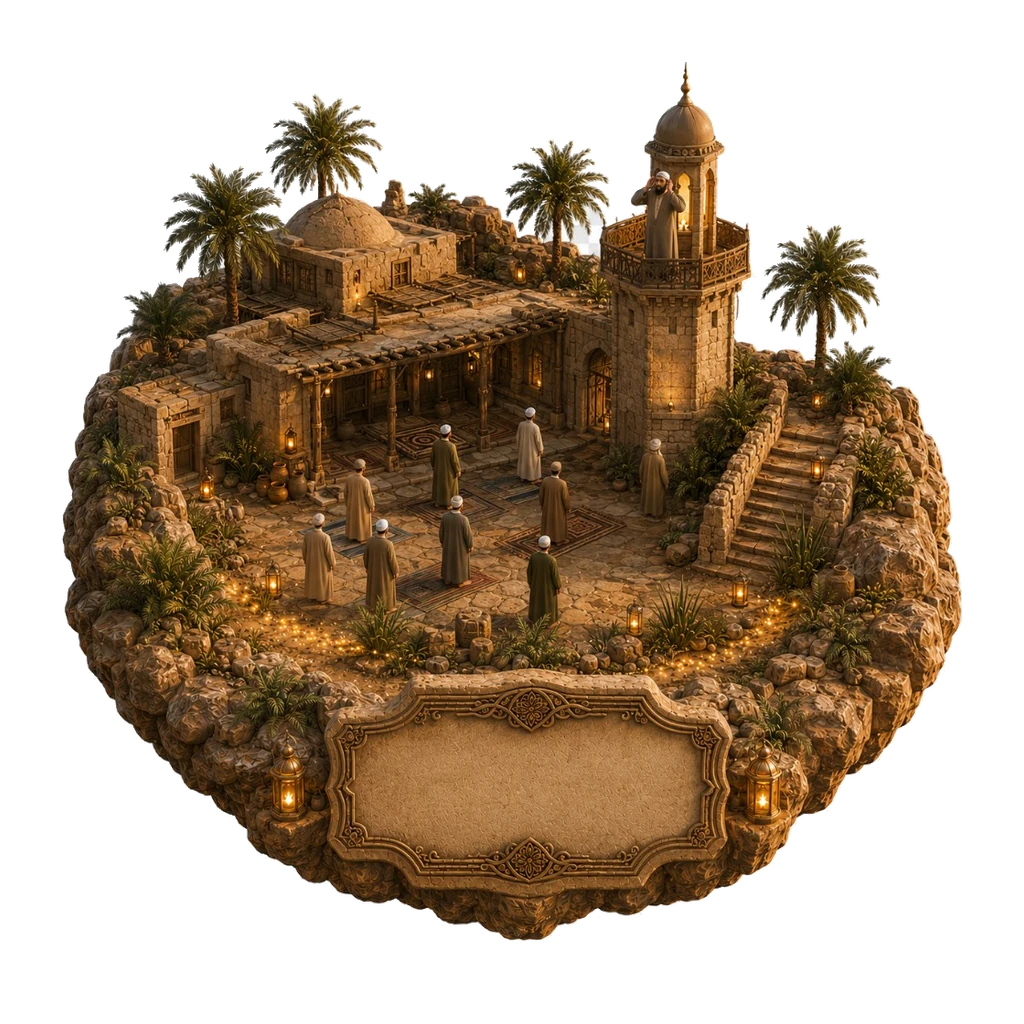
In the early days of the Hijrah, the adhan was instituted as a call to prayer that proclaims monotheism and gathers the Muslims for worship.
It represents one step in building the Islamic community in Madinah and organizing its rites.
In it: The adhan was instituted.
سنن أبي داود - 499 جزء: 1 - صفحة: 136 كتاب الصلاة - باب كيف الأذان حَدَّثَنَا مُحَمَّدُ بْنُ مَنْصُورٍ الطُّوسِيُّ، حَدَّثَنَا يَعْقُوبُ، حَدَّثَنَا أَبِي، عَنْ مُحَمَّدِ بْنِ إِسْحَاقَ، حَدَّثَنِي مُحَمَّدُ بْنُ إِبْرَاهِيمَ بْنِ الْحَارِثِ التَّيْمِيُّ، عَنْ مُحَمَّدِ بْنِ عَبْدِ اللَّهِ بْنِ زَيْدِ بْنِ عَبْدِ رَبِّهِ، قَالَ: حَدَّثَنِي أَبِي عَبْدُ اللَّهِ بْنُ زَيْدٍ، قَالَ: "لَمَّا أَمَرَ رَسُولُ اللَّهِ صَلَّى اللَّهُ عَلَيْهِ وَسَلَّمَ بِالنَّاقُوسِ يُعْمَلُ لِيُضْرَبَ بِهِ لِلنَّاسِ لِجَمْعِ الصَّلَاةِ، طَافَ بِي وَأَنَا نَائِمٌ رَجُلٌ يَحْمِلُ نَاقُوسًا فِي يَدِهِ، فَقُلْتُ: يَا عَبْدَ اللَّهِ، أَتَبِيعُ النَّاقُوسَ؟ قَالَ: وَمَا تَصْنَعُ بِهِ؟ فَقُلْتُ: نَدْعُو بِهِ إِلَى الصَّلَاةِ، قَالَ: أَفَلَا أَدُلُّكَ عَلَى مَا هُوَ خَيْرٌ مِنْ ذَلِكَ؟ فَقُلْتُ لَهُ: بَلَى، قَالَ: فَقَالَ: تَقُولُ: اللَّهُ أَكْبَرُ اللَّهُ أَكْبَرُ، اللَّهُ أَكْبَرُ اللَّهُ أَكْبَرُ، أَشْهَدُ أَنْ لَا إِلَهَ إِلَّا اللَّهُ، أَشْهَدُ أَنْ لَا إِلَهَ إِلَّا اللَّهُ، أَشْهَدُ أَنَّ مُحَمَّدًا رَسُولُ اللَّهِ، أَشْهَدُ أَنَّ مُحَمَّدًا رَسُولُ اللَّهِ، حَيَّ عَلَى الصَّلَاةِ، حَيَّ عَلَى الصَّلَاةِ، حَيَّ عَلَى الْفَلَاحِ، حَيَّ عَلَى الْفَلَاحِ، اللَّهُ أَكْبَرُ، اللَّهُ أَكْبَرُ، لَا إِلَهَ إِلَّا اللَّهُ. قَالَ: ثُمَّ اسْتَأْخَرَ عَنِّي غَيْرَ بَعِيدٍ، ثُمَّ قَالَ: وَتَقُولُ إِذَا أَقَمْتَ الصَّلَاةَ: اللَّهُ أَكْبَرُ، اللَّهُ أَكْبَرُ، أَشْهَدُ أَنْ لَا إِلَهَ إِلَّا اللَّهُ، أَشْهَدُ أَنَّ مُحَمَّدًا رَسُولُ اللَّهِ، حَيَّ عَلَى الصَّلَاةِ، حَيَّ عَلَى الْفَلَاحِ، قَدْ قَامَتِ الصَّلَاةُ، قَدْ قَامَتِ الصَّلَاةُ، اللَّهُ أَكْبَرُ، اللَّهُ أَكْبَرُ، لَا إِلَهَ إِلَّا اللَّهُ. فَلَمَّا أَصْبَحْتُ، أَتَيْتُ رَسُولَ اللَّهِ صَلَّى اللَّهُ عَلَيْهِ وَسَلَّمَ فَأَخْبَرْتُهُ بِمَا رَأَيْتُ، فَقَالَ: إِنَّهَا لَرُؤْيَا حَقٌّ إِنْ شَاءَ اللَّهُ، فَقُمْ مَعَ بِلَالٍ فَأَلْقِ عَلَيْهِ مَا رَأَيْتَ فَلْيُؤَذِّنْ بِهِ فَإِنَّهُ أَنْدَى صَوْتًا مِنْكَ، فَقُمْتُ مَعَ بِلَالٍ فَجَعَلْتُ أُلْقِيهِ عَلَيْهِ وَيُؤَذِّنُ بِهِ. قَالَ: فَسَمِعَ ذَلِكَ عُمَرُ بْنُ الْخَطَّابِ وَهُوَ فِي بَيْتِهِ فَخَرَجَ يَجُرُّ رِدَاءَهُ، وَيَقُولُ: وَالَّذِي بَعَثَكَ بِالْحَقِّ يَا رَسُولَ اللَّهِ، لَقَدْ رَأَيْتُ مِثْلَ مَا رَأَى، فَقَالَ رَسُولُ اللَّهِ صَلَّى اللَّهُ عَلَيْهِ وَسَلَّمَ: فَلِلَّهِ الْحَمْدُ". قَالَ أَبُو دَاوُد: هَكَذَا رِوَايَةُ الزُّهْرِيِّ، عَنْ سَعِيدِ بْنِ الْمُسَيِّبِ، عَنْ عَبْدِ اللَّهِ بْنِ زَيْدٍ، وقَالَ فِيهِ ابْنُ إِسْحَاق: عَنْ الزُّهْرِيِّ، اللَّهُ أَكْبَرُ اللَّهُ أَكْبَرُ، اللَّهُ أَكْبَرُ اللَّهُ أَكْبَرُ، وقَالَ مَعْمَرٌ، وَيُونُسُ: عَنْ الزُّهْرِيِّ فِيهِ، اللَّهُ أَكْبَرُ، اللَّهُ أَكْبَرُ، لَمْ يُثَنِّيَا. الألباني: حسن صحيح صحيح سنن أبي داود: (146/1) شعيب الأرنؤوط: إسناده حسن سنن أبي داود تخريج شعيب الأرنؤوط: (371/1)
It means that the Muslims began calling people to prayer with a special call five times a day, after its form was established in Madinah, so it became a clear sign that prayer time had begun.
The Muslims had settled in Madinah, the Prophet's Mosque had been built, and they needed a way to gather for prayer and announce its time.
Organizing the devotional life of the new Muslim community and making the symbol of monotheism visible in Madinah.
The Muslims now had an organized call to prayer instead of relying on individual judgment to know the time.
One of the earliest organizing legislations in Madinah
Showing the slogan of monotheism and announcing prayer
Highlighting the order of the new Muslim community
Bringing Muslims together on one call each day
Training Muslims to be disciplined and to keep worship times
Establishing a visible civilizational marker for the Muslim community
Uniting the daily rhythm of the Muslim community around prayer
He saw the adhan in a true dream
His dream matched Abdullah ibn Zayd's dream
He approved the dream related to the adhan
Magnifying Tawhid and proclaiming the testimony that there is no god but Allah and that Muhammad is the Messenger of Allah
Discipline and commitment
The unity of the community around a shared act of worship
The Muslim community's identity appears openly
Training souls to respond to the call and stay consistent
Organizing worship within a fixed collective framework
Building a lasting audible symbol for Islamic civilization
The scattering of individuals and the difficulty of gathering them for shared times of worship or collective work
The importance of having a clear call or system that gathers people around a shared purpose
Organizing rituals and programs clearly and consistently
The value of public symbols that unite people around a shared identity
Keeping to schedules and responding to the call
Application should not go beyond the specific nature of Prophetic legislation and the setting of worship
The Prophetic context is one of foundation and legislation, while the modern context is often one of application and organization
Every society needs clear rituals or systems that unite it around a shared purpose

