 المساعد الذكي
جارٍ تحميل القصة…

ز
مرحبًا زائرThe event of the Isra and Mi'raj, in which the Prophet ﷺ was taken on the Isra from al-Masjid al-Haram to al-Masjid al-Aqsa, then taken up to Sidrat al-Muntaha, and Allah made the five prayers obligatory upon him and upon his Ummah
The Isra and Mi'raj took place in the twelfth year of the call, when the Messenger of Allah ﷺ was taken from al-Masjid al-Haram to al-Masjid al-Aqsa, then ascended to Sidrat al-Muntaha, and Allah made the five daily prayers obligatory for him and his ummah.
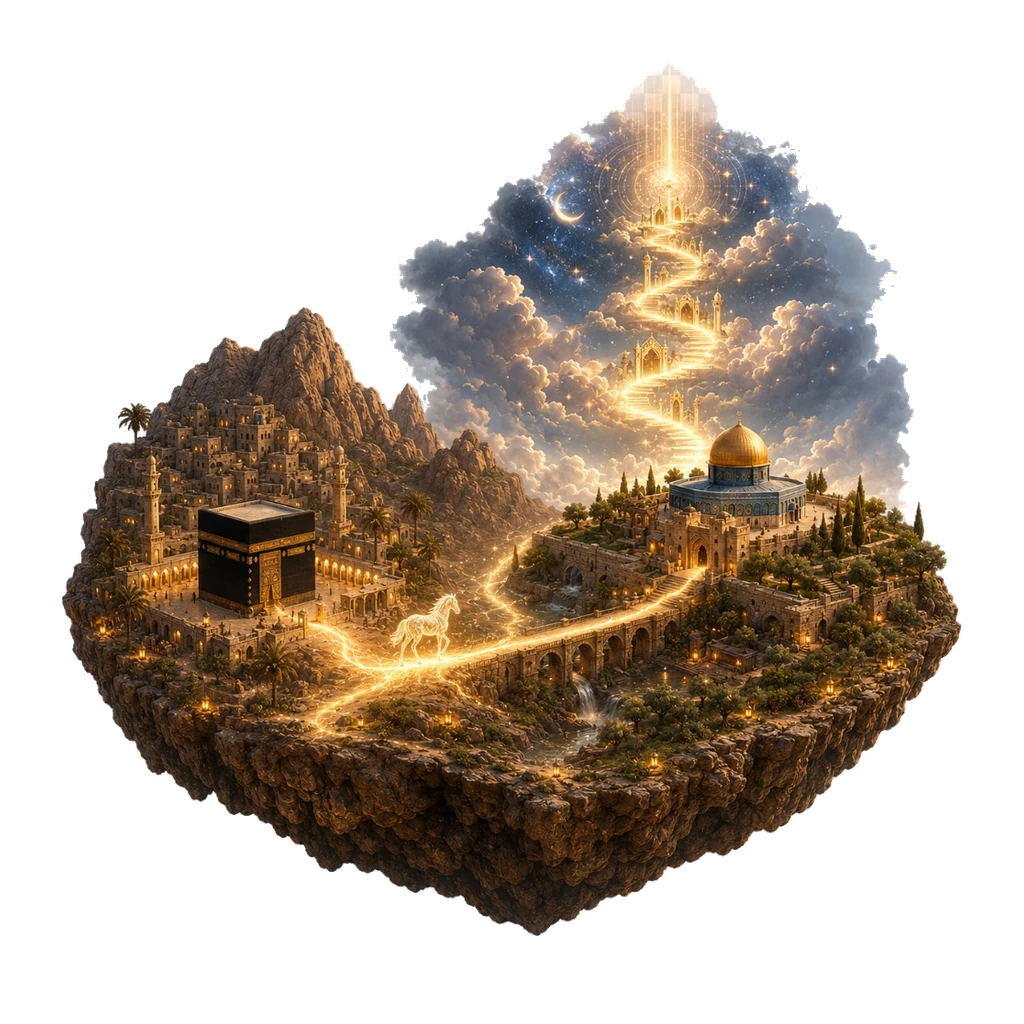
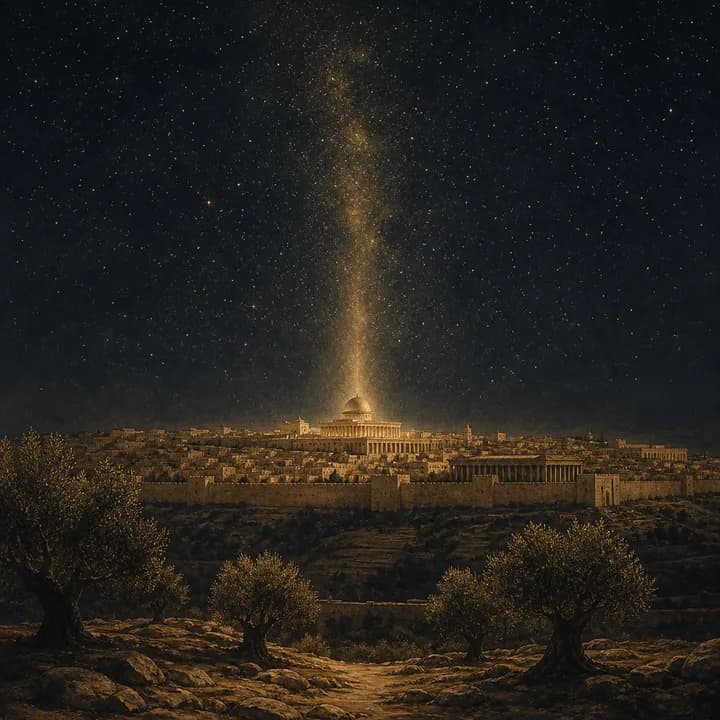
الإسراء والمعراج وفرض الصلوات الخمس وأثرها في تنظيم حياة المسلم.
The Isra and Mi'raj took place in the twelfth year of the call, when the Messenger of Allah ﷺ was taken from al-Masjid al-Haram to al-Masjid al-Aqsa, then ascended to Sidrat al-Muntaha, and Allah made the five daily prayers obligatory for him and his ummah.
It represents an important doctrinal and spiritual turning point in the later Makkah period before the Hijrah.
And in the twelfth year of the mission: the Messenger of Allah ﷺ was taken on the Isra from al-Masjid al-Haram to al-Masjid al-Aqsa, then was taken up to Sidrat al-Muntaha, and Allah made the five prayers obligatory upon him and upon his Ummah.
صحيح البخاري - 3887 جزء: 5 - صفحة: 52 كتاب المناقب - باب المعراج حَدَّثَنَا هُدْبَةُ بْنُ خَالِدٍ، حَدَّثَنَا هَمَّامُ بْنُ يَحْيَى، حَدَّثَنَا قَتَادَةُ، عَنْ أَنَسِ بْنِ مَالِكٍ، عَنْ مَالِكِ بْنِ صَعْصَعَةَ رَضِيَ اللَّهُ عَنْهُمَا، أَنَّ نَبِيَّ اللَّهِ صَلَّى اللَّهُ عَلَيْهِ وَسَلَّمَ حَدَّثَهُمْ، عَنْ لَيْلَةِ أُسْرِيَ بِهِ قال: "بَيْنَمَا أَنَا فِي الْحَطِيمِ، وَرُبَّمَا قال: فِي الْحِجْرِ، مُضْطَجِعًا إِذْ أَتَانِي آتٍ فَقَدَّ، قَالَ: وَسَمِعْتُهُ يَقُولُ فَشَقَّ مَا بَيْنَ هَذِهِ إِلَى هَذِهِ، فَقُلْتُ لِلْجَارُودِ وَهُوَ إِلَى جَنْبِي: مَا يَعْنِي بِهِ؟ قَالَ: مِنْ ثُغْرَةِ نَحْرِهِ إِلَى شِعْرَتِهِ، وَسَمِعْتُهُ يَقُولُ: مِنْ قَصِّهِ إِلَى شِعْرَتِهِ فَاسْتَخْرَجَ قَلْبِي، ثُمَّ أُتِيتُ بِطَسْتٍ مِنْ ذَهَبٍ مَمْلُوءَةٍ إِيمَانًا فَغُسِلَ قَلْبِي، ثُمَّ حُشِيَ، ثُمَّ أُتِيتُ بِدَابَّةٍ دُونَ الْبَغْلِ وَفَوْقَ الْحِمَارِ أَبْيَضَ، فَقَالَ لَهُ الْجَارُودُ: هُوَ الْبُرَاقُ يَا أَبَا حَمْزَةَ، قَالَ أَنَسٌ: نَعَمْ يَضَعُ خَطْوَهُ عِنْدَ أَقْصَى طَرْفِهِ، فَحُمِلْتُ عَلَيْهِ فَانْطَلَقَ بِي جِبْرِيلُ حَتَّى أَتَى السَّمَاءَ الدُّنْيَا فَاسْتَفْتَحَ، فَقِيلَ: مَنْ هَذَا؟ قَالَ: جِبْرِيلُ، قِيلَ: وَمَنْ مَعَكَ؟ قَالَ: مُحَمَّدٌ، قِيلَ: وَقَدْ أُرْسِلَ إِلَيْهِ؟ قَالَ: نَعَمْ، قِيلَ: مَرْحَبًا بِهِ فَنِعْمَ الْمَجِيءُ جَاءَ فَفَتَحَ، فَلَمَّا خَلَصْتُ فَإِذَا فِيهَا آدَمُ، فَقَالَ: هَذَا أَبُوكَ آدَمُ فَسَلِّمْ عَلَيْهِ، فَسَلَّمْتُ عَلَيْهِ فَرَدَّ السَّلَامَ، ثُمَّ قَالَ: مَرْحَبًا بِالِابْنِ الصَّالِحِ، وَالنَّبِيِّ الصَّالِحِ. ثُمَّ صَعِدَ بِي حَتَّى أَتَى السَّمَاءَ الثَّانِيَةَ فَاسْتَفْتَحَ، قِيلَ: مَنْ هَذَا؟ قَالَ: جِبْرِيلُ، قِيلَ: وَمَنْ مَعَكَ؟ قَالَ: مُحَمَّدٌ، قِيلَ: وَقَدْ أُرْسِلَ إِلَيْهِ؟ قَالَ: نَعَمْ، قِيلَ: مَرْحَبًا بِهِ فَنِعْمَ الْمَجِيءُ جَاءَ فَفَتَحَ، فَلَمَّا خَلَصْتُ إِذَا يَحْيَى وَعِيسَى وَهُمَا ابْنَا الْخَالَةِ، قَالَ: هَذَا يَحْيَى وَعِيسَى فَسَلِّمْ عَلَيْهِمَا، فَسَلَّمْتُ فَرَدَّا، ثُمَّ قَالَا: مَرْحَبًا بِالْأَخِ الصَّالِحِ وَالنَّبِيِّ الصَّالِحِ. ثُمَّ صَعِدَ بِي إِلَى السَّمَاءِ الثَّالِثَةِ فَاسْتَفْتَحَ، قِيلَ: مَنْ هَذَا؟ قَالَ: جِبْرِيلُ، قِيلَ: وَمَنْ مَعَكَ؟ قَالَ: مُحَمَّدٌ، قِيلَ: وَقَدْ أُرْسِلَ إِلَيْهِ؟ قَالَ: نَعَمْ، قِيلَ: مَرْحَبًا بِهِ فَنِعْمَ الْمَجِيءُ جَاءَ فَفُتِحَ، فَلَمَّا خَلَصْتُ إِذَا يُوسُفُ، قَالَ: هَذَا يُوسُفُ فَسَلِّمْ عَلَيْهِ، فَسَلَّمْتُ عَلَيْهِ فَرَدَّ، ثُمَّ قَالَ: مَرْحَبًا بِالْأَخِ الصَّالِحِ وَالنَّبِيِّ الصَّالِحِ. ثُمَّ صَعِدَ بِي حَتَّى أَتَى السَّمَاءَ الرَّابِعَةَ فَاسْتَفْتَحَ، قِيلَ: مَنْ هَذَا؟ قَالَ: جِبْرِيلُ، قِيلَ: وَمَنْ مَعَكَ؟ قَالَ: مُحَمَّدٌ، قِيلَ: أَوَقَدْ أُرْسِلَ إِلَيْهِ؟ قَالَ: نَعَمْ، قِيلَ: مَرْحَبًا بِهِ فَنِعْمَ الْمَجِيءُ جَاءَ فَفُتِحَ، فَلَمَّا خَلَصْتُ إِلَى إِدْرِيسَ، قَالَ: هَذَا إِدْرِيسُ فَسَلِّمْ عَلَيْهِ، فَسَلَّمْتُ عَلَيْهِ فَرَدَّ، ثُمَّ قَالَ: مَرْحَبًا بِالْأَخِ الصَّالِحِ وَالنَّبِيِّ الصَّالِحِ. ثُمَّ صَعِدَ بِي حَتَّى أَتَى السَّمَاءَ الْخَامِسَةَ فَاسْتَفْتَحَ، قِيلَ: مَنْ هَذَا؟ قَالَ: جِبْرِيلُ، قِيلَ: وَمَنْ مَعَكَ؟ قَالَ: مُحَمَّدٌ، قِيلَ: وَقَدْ أُرْسِلَ إِلَيْهِ؟ قَالَ: نَعَمْ، قِيلَ: مَرْحَبًا بِهِ فَنِعْمَ الْمَجِيءُ جَاءَ، فَلَمَّا خَلَصْتُ فَإِذَا هَارُونُ، قَالَ: هَذَا هَارُونُ فَسَلِّمْ عَلَيْهِ، فَسَلَّمْتُ عَلَيْهِ فَرَدَّ، ثُمَّ قَالَ: مَرْحَبًا بِالْأَخِ الصَّالِحِ وَالنَّبِيِّ الصَّالِحِ. ثُمَّ صَعِدَ بِي حَتَّى أَتَى السَّمَاءَ السَّادِسَةَ فَاسْتَفْتَحَ، قِيلَ: مَنْ هَذَا؟ قَالَ: جِبْرِيلُ، قِيلَ: مَنْ مَعَكَ؟ قَالَ: مُحَمَّدٌ، قِيلَ: وَقَدْ أُرْسِلَ إِلَيْهِ؟ قَالَ: نَعَمْ، قَالَ: مَرْحَبًا بِهِ فَنِعْمَ الْمَجِيءُ جَاءَ، فَلَمَّا خَلَصْتُ فَإِذَا مُوسَى، قَالَ: هَذَا مُوسَى فَسَلِّمْ عَلَيْهِ، فَسَلَّمْتُ عَلَيْهِ فَرَدَّ، ثُمَّ قَالَ: مَرْحَبًا بِالْأَخِ الصَّالِحِ وَالنَّبِيِّ الصَّالِحِ، فَلَمَّا تَجَاوَزْتُ بَكَى، قِيلَ لَهُ: مَا يُبْكِيكَ؟ قَالَ: أَبْكِي لِأَنَّ غُلَامًا بُعِثَ بَعْدِي يَدْخُلُ الْجَنَّةَ مِنْ أُمَّتِهِ أَكْثَرُ مِمَّنْ يَدْخُلُهَا مِنْ أُمَّتِي. ثُمَّ صَعِدَ بِي إِلَى السَّمَاءِ السَّابِعَةِ فَاسْتَفْتَحَ جِبْرِيلُ، قِيلَ: مَنْ هَذَا؟ قَالَ: جِبْرِيلُ، قِيلَ: وَمَنْ مَعَكَ؟ قَالَ: مُحَمَّدٌ، قِيلَ: وَقَدْ بُعِثَ إِلَيْهِ؟ قَالَ: نَعَمْ، قَالَ: مَرْحَبًا بِهِ فَنِعْمَ الْمَجِيءُ جَاءَ، فَلَمَّا خَلَصْتُ فَإِذَا إِبْرَاهِيمُ، قَالَ: هَذَا أَبُوكَ فَسَلِّمْ عَلَيْهِ، قَالَ: فَسَلَّمْتُ عَلَيْهِ فَرَدَّ السَّلَامَ، قَالَ: مَرْحَبًا بِالِابْنِ الصَّالِحِ وَالنَّبِيِّ الصَّالِحِ. ثُمَّ رُفِعَتْ إِلَيَّ سِدْرَةُ الْمُنْتَهَى، فَإِذَا نَبْقُهَا مِثْلُ قِلَالِ هَجَرَ وَإِذَا وَرَقُهَا مِثْلُ آذَانِ الْفِيَلَةِ، قَالَ: هَذِهِ سِدْرَةُ الْمُنْتَهَى، وَإِذَا أَرْبَعَةُ أَنْهَارٍ: نَهْرَانِ بَاطِنَانِ، وَنَهْرَانِ ظَاهِرَانِ، فَقُلْتُ: مَا هَذَانِ يَا جِبْرِيلُ؟ قَالَ: أَمَّا الْبَاطِنَانِ فَنَهْرَانِ فِي الْجَنَّةِ، وَأَمَّا الظَّاهِرَانِ فَالنِّيلُ وَالْفُرَاتُ. ثُمَّ رُفِعَ لِي الْبَيْتُ الْمَعْمُورُ، ثُمَّ أُتِيتُ بِإِنَاءٍ مِنْ خَمْرٍ، وَإِنَاءٍ مِنْ لَبَنٍ، وَإِنَاءٍ مِنْ عَسَلٍ، فَأَخَذْتُ اللَّبَنَ، فَقَالَ: هِيَ الْفِطْرَةُ الَّتِي أَنْتَ عَلَيْهَا وَأُمَّتُكَ، ثُمَّ فُرِضَتْ عَلَيَّ الصَّلَوَاتُ خَمْسِينَ صَلَاةً كُلَّ يَوْمٍ، فَرَجَعْتُ فَمَرَرْتُ عَلَى مُوسَى، فَقَالَ: بِمَا أُمِرْتَ؟ قَالَ: أُمِرْتُ بِخَمْسِينَ صَلَاةً كُلَّ يَوْمٍ، قَالَ: إِنَّ أُمَّتَكَ لَا تَسْتَطِيعُ خَمْسِينَ صَلَاةً كُلَّ يَوْمٍ، وَإِنِّي وَاللَّهِ قَدْ جَرَّبْتُ النَّاسَ قَبْلَكَ وَعَالَجْتُ بَنِي إِسْرَائِيلَ أَشَدَّ الْمُعَالَجَةِ، فَارْجِعْ إِلَى رَبِّكَ فَاسْأَلْهُ التَّخْفِيفَ لِأُمَّتِكَ. فَرَجَعْتُ فَوَضَعَ عَنِّي عَشْرًا، فَرَجَعْتُ إِلَى مُوسَى فَقَالَ مِثْلَهُ، فَرَجَعْتُ فَوَضَعَ عَنِّي عَشْرًا، فَرَجَعْتُ إِلَى مُوسَى فَقَالَ مِثْلَهُ، فَرَجَعْتُ فَوَضَعَ عَنِّي عَشْرًا، فَرَجَعْتُ إِلَى مُوسَى فَقَالَ مِثْلَهُ، فَرَجَعْتُ فَأُمِرْتُ بِعَشْرِ صَلَوَاتٍ كُلَّ يَوْمٍ، فَرَجَعْتُ فَقَالَ مِثْلَهُ، فَرَجَعْتُ فَأُمِرْتُ بِخَمْسِ صَلَوَاتٍ كُلَّ يَوْمٍ، فَرَجَعْتُ إِلَى مُوسَى، فَقَالَ: بِمَ أُمِرْتَ؟ قُلْتُ: أُمِرْتُ بِخَمْسِ صَلَوَاتٍ كُلَّ يَوْمٍ، قَالَ: إِنَّ أُمَّتَكَ لَا تَسْتَطِيعُ خَمْسَ صَلَوَاتٍ كُلَّ يَوْمٍ وَإِنِّي قَدْ جَرَّبْتُ النَّاسَ قَبْلَكَ وَعَالَجْتُ بَنِي إِسْرَائِيلَ أَشَدَّ الْمُعَالَجَةِ، فَارْجِعْ إِلَى رَبِّكَ فَاسْأَلْهُ التَّخْفِيفَ لِأُمَّتِكَ، قَالَ: سَأَلْتُ رَبِّي حَتَّى اسْتَحْيَيْتُ وَلَكِنِّي أَرْضَى وَأُسَلِّمُ، قَالَ: فَلَمَّا جَاوَزْتُ نَادَى مُنَادٍ: أَمْضَيْتُ فَرِيضَتِي وَخَفَّفْتُ عَنْ عِبَادِي". البخاري: أورده في صحيحه صحيح البخاري: (52/5)
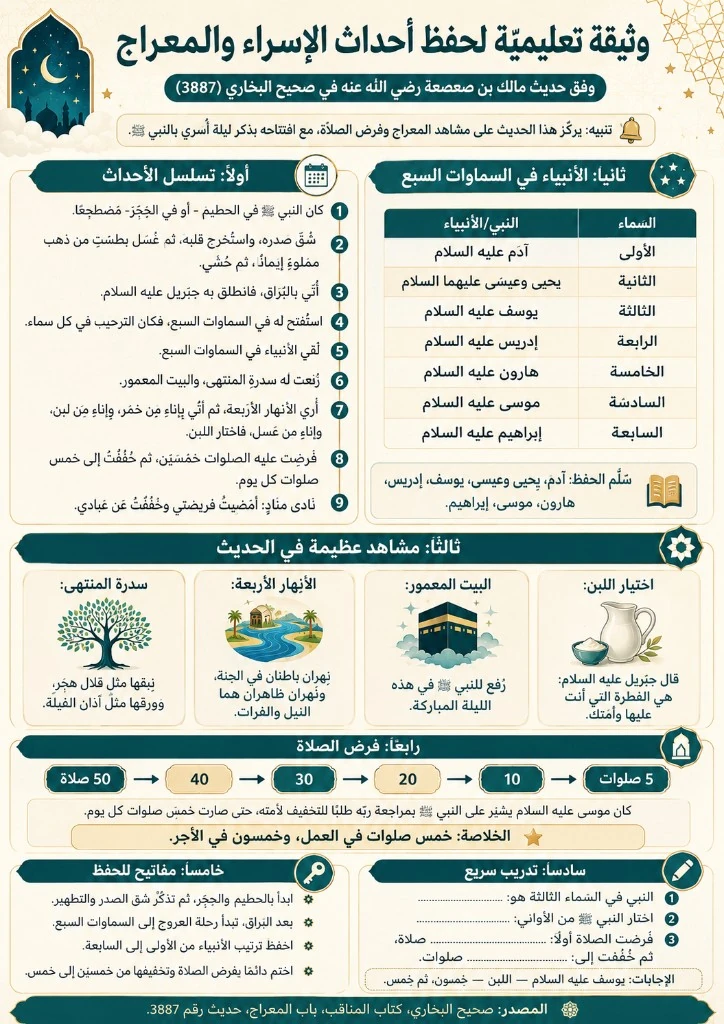
The event is a great divine journey by which Allah honored His Prophet ﷺ. He traveled by night from Makkah to Bayt al-Maqdis (Jerusalem), then ascended to the highest heavens until he reached Sidrat al-Muntaha, where the five daily prayers were made obligatory for Muslims.
The event took place during a stage of the call to Islam when the Prophet ﷺ and his Companions were facing both success and persecution, and the call to Islam was making its way in Makkah.
To show the signs of Allah to His Prophet ﷺ and to make prayer obligatory for the ummah, along with the honor given to the Prophet ﷺ and the strengthening of the believers.
Prayer moved from being made obligatory for the ummah, and the event became a turning point in the course of the call to Islam and a test that distinguished the believer from the denier.
A turning-point event in the later Meccan period
It showed Allah's great signs to the Prophet ﷺ and met denial with divine proof
It indicated the shift of the center of spiritual leadership, as understood from the context of the text
It separated the believer from the denier in Meccan society
It linked the ummah to prayer as a daily obligation
It established the central role of worship in building the ummah
It marked a prelude to a new stage in the course of the call to Islam
The one who was taken on the journey and ascended, and the one informed of the obligation
Accompanied the Prophet ﷺ on the Isra and Mi'raj and opened the gates of the heavens for him
Spoke to the Prophet ﷺ about easing the prayer
Believed this event when the people denied it
Affirming Allah's power to carry out the Isra, the ascension, and to prescribe whatever He wills
Elevating the status of obedience and compliance
Showing the impact of affirmation and steadfastness in the believing community
Highlighting the transfer of spiritual leadership
Training the ummah to pray and to be connected to Allah
Establishing a comprehensive and organized obligation in the lives of Muslims
Linking human civilization with worship and certainty
Weak certainty in the face of great or unseen news
Holding fast to worship and affirming what has been established through revelation
Making prayer a center of education and identity
Strengthening the shared values that build steadfastness and certainty
Preserving prayer and honoring its importance
It is limited to the lesson learned, without making a complete comparison between the unseen and reality
The event is a unique miracle from Allah for the Prophet ﷺ, while the modern context is one of emulation, not equivalence
Every firm foundation of faith begins with honoring prayer and having certainty in revelation

